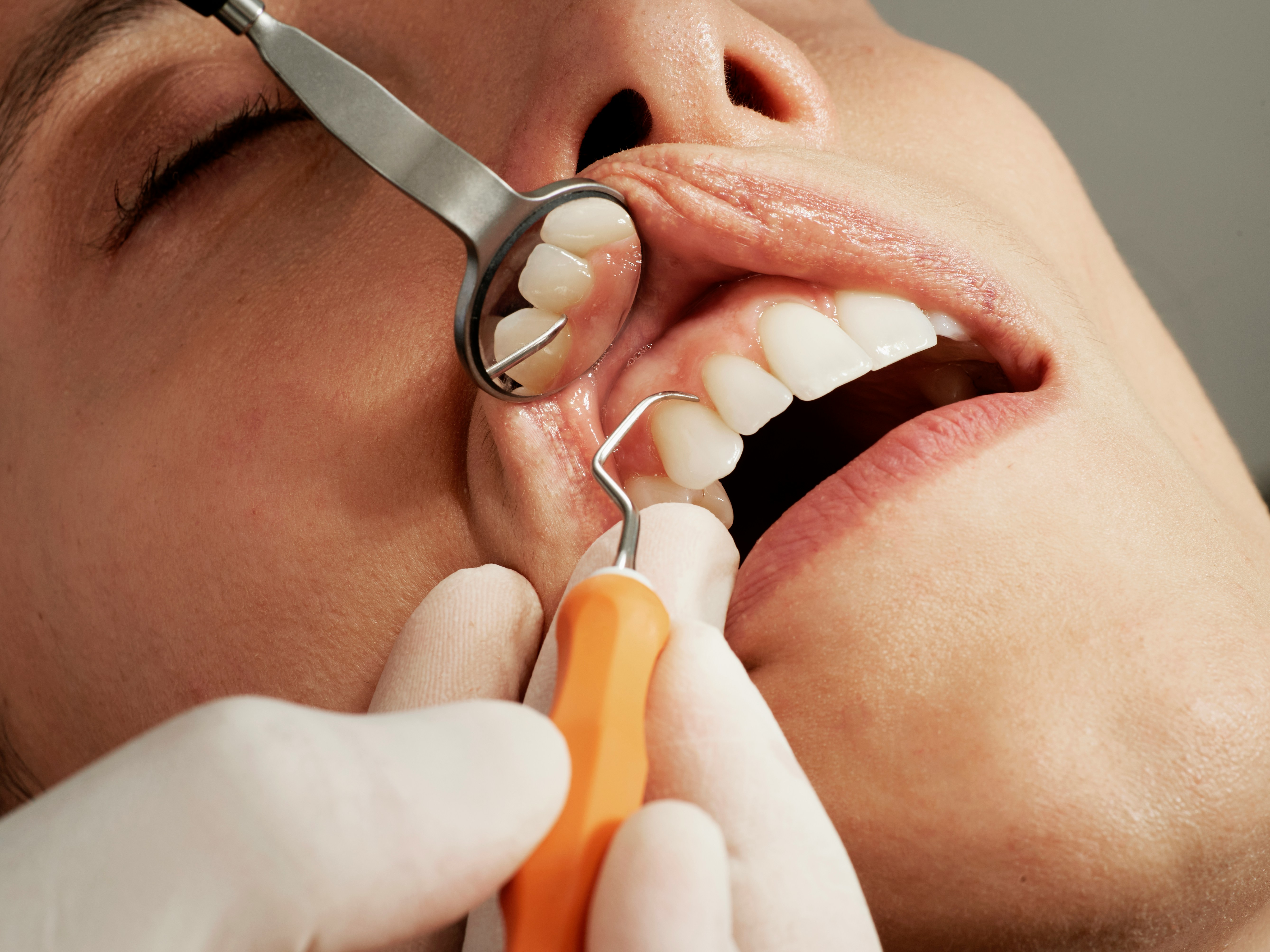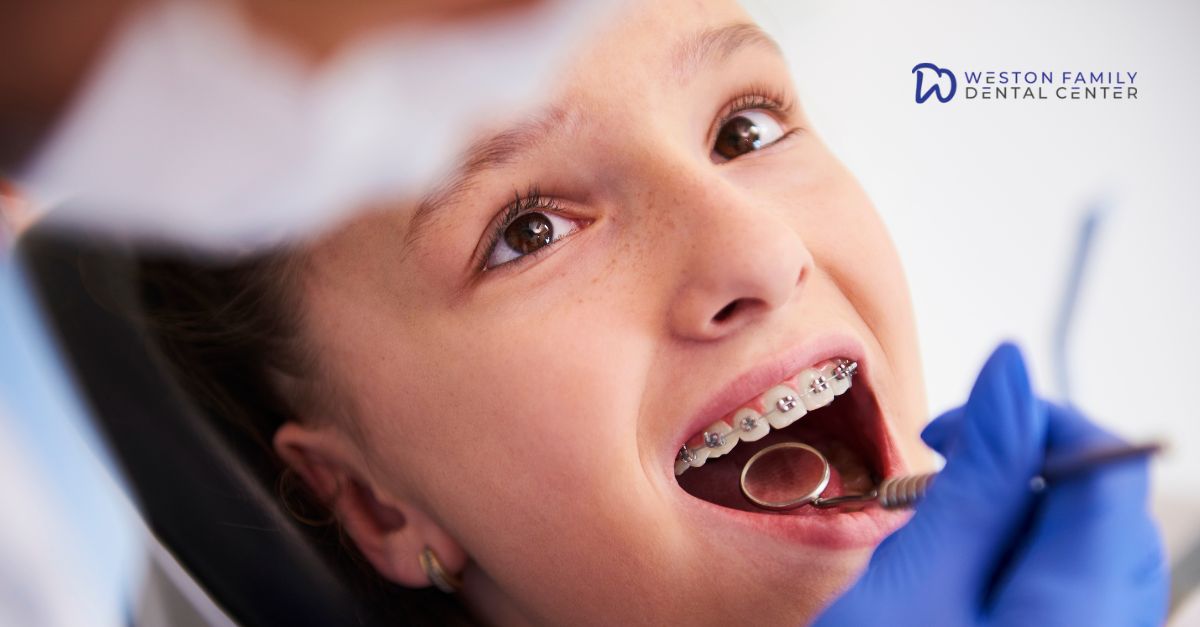
Many parents wonder when their child should start orthodontic treatment, while adults often think the opportunity for Braces for Kids and Adults in Weston has passed them by. The truth is, braces in Weston can benefit people at almost any age—from young children to seniors—and the decision about timing is highly personal. At Weston Family Dental Center, we help families understand when braces make sense, what to expect during treatment, and how to achieve a healthy, beautiful smile for a lifetime.
Orthodontic problems like crowded teeth, gaps, and misaligned bites affect nearly 70% of children and many adults. Left untreated, these issues can lead to difficulty chewing, speech problems, self-consciousness, and even long-term oral health complications. But with modern orthodontic options—including traditional braces, clear aligners, and early intervention treatments—straightening your teeth has never been more accessible or comfortable.
When Should Kids Get Braces? The Expert Timeline
The Ideal Age for Orthodontic Evaluation
The American Association of Orthodontists recommends that children have their first orthodontic evaluation by age 7. At this young age, your Weston orthodontist can spot early signs of bite problems, crowding, or skeletal issues that might benefit from early intervention. However, having an evaluation at age 7 does not mean your child needs braces immediately.
Early orthodontic treatment, sometimes called Phase 1 or interceptive treatment, is designed for children typically between ages 7 and 11. This phase can help guide jaw growth, create space for permanent teeth, and prevent more serious problems later. Early treatment can reduce or even eliminate the need for braces during the teen years, or at minimum reduce the treatment time and complexity when braces eventually become necessary.
Many Weston parents appreciate early orthodontic evaluation because it gives them time to plan financially and emotionally prepare their children for potential future treatment. If your child shows signs of bite issues—like an overbite, underbite, crossbite, or severe crowding—scheduling an early evaluation at your family dentist in Weston FL is the best first step.
Typical Age for Full Braces Treatment
Most children and teens start comprehensive braces treatment between ages 11 and 15, after most permanent teeth have erupted. By this age, the jaw has developed enough for effective tooth movement, and the bones are still responsive to orthodontic forces. Teenagers often benefit from braces during these years because their mouths are mature enough for treatment, yet their bones are still responsive enough to achieve results relatively quickly.
Treatment typically lasts 18 to 36 months, depending on the severity of crowding, bite issues, and how well the patient follows care instructions. Modern braces are also far more comfortable and aesthetic than they were decades ago. Many teens appreciate that with colorful bracket options, ceramic braces, or even clear aligners, orthodontic treatment feels more like a personal choice than an obligation.
The teenage years are often ideal for braces because teens are developing their identity and self-awareness. Achieving a straighter smile during adolescence can boost confidence during these formative years, a benefit that extends well into adulthood.
Braces for Adults: It Is Never Too Late
Breaking the Age Myth
One of the biggest misconceptions is that adults cannot get braces—but this is simply false. Healthy adults of any age can straighten their teeth with braces, and adult orthodontics has become increasingly common. In fact, about 1 in 5 orthodontic patients today is an adult, and many finish treatment feeling more confident than ever in their personal and professional lives.
Adults might seek braces for several reasons: they never had the opportunity as a child, their bite has shifted over time due to natural aging or tooth loss, they are preparing for cosmetic dentistry or dental implants, they want to improve chewing function, or they simply want to enhance their smile and oral health. Whatever the reason, adult braces work on the same principle as childhood braces—steady, gentle pressure moves teeth into proper alignment over time.
The main difference is that adult teeth do not move quite as quickly as younger teeth because the jawbone is fully developed. This means adult braces treatment might take 18 to 48 months instead of 12 to 30 months, but the end result is just as beautiful and functional. Many adults find that the longer treatment time is worth it for the confidence boost they gain from a straighter smile.
Adult Braces Options: Traditional and Clear Aligners
Adults have even more options than teenagers when it comes to straightening teeth. In addition to traditional metal braces, adults can choose ceramic braces (tooth-colored brackets that blend seamlessly with your teeth) or clear aligners like Invisalign. For many working professionals, teachers, public speakers, and client-facing professionals in Weston, clear aligners are the preferred option because they are nearly invisible and can be removed for important meetings, presentations, or photos.
The choice between traditional braces and clear aligners depends on the complexity of your bite problem, your lifestyle, your budget, and your aesthetic preferences. Both are highly effective when used correctly and when patients follow their orthodontist’s instructions carefully. Your Weston orthodontist or family dentist can help you weigh the pros and cons of each option based on your specific needs.
Many adults also combine braces or aligners with other cosmetic treatments—like professional teeth whitening or bonding—to achieve a complete smile transformation. Once your teeth are properly aligned, your entire smile can look dramatically improved.
The Orthodontic Treatment Process: What to Expect
Initial Consultation and Bite Assessment
The journey to straighter teeth begins with a comprehensive orthodontic consultation. Your dentist or orthodontist in Weston will perform a detailed examination, including X-rays, intraoral and extraoral photos, and possibly 3D cone-beam scans. They will assess your bite carefully, look at spacing and crowding patterns, evaluate jaw development and alignment, and discuss any bite-related concerns like open bite, overbite, underbite, or crossbite.
This consultation is also the time to discuss your personal goals and concerns. Do you want a perfect Hollywood smile, or are you primarily focused on functional bite improvement and better chewing? Are you concerned about visible treatment options? Do you have budget or timeline constraints? Are you planning other dental work like implants or cosmetic bonding? Your orthodontist will use this comprehensive information to recommend the best customized treatment plan for your unique situation.
During this visit, your orthodontist will also explain what to expect, discuss potential discomfort (usually mild), review care instructions, and answer all your questions. A good orthodontist in Weston takes time to ensure you feel completely informed and comfortable before starting treatment.
Braces Installation and What Happens Next
Once you and your orthodontist decide to move forward with braces, an installation appointment is scheduled. During this appointment, sometimes called a bonding or fitting appointment, small brackets (made of metal, ceramic, or plastic) are carefully attached to each tooth using a special adhesive. A thin archwire is then threaded through the brackets and secured in place with small elastics (rubber bands or modules), which come in various colors—especially fun for kids who can choose their favorite shade.
The initial bonding appointment typically takes 60 to 90 minutes. Many patients experience minor discomfort or soreness for the first few days as their teeth adjust to the gentle, consistent pressure from the braces. This discomfort is usually manageable with over-the-counter pain relievers like ibuprofen, warm salt water rinses, and soft foods. Your orthodontist will provide detailed instructions on how to care for your braces, which foods to avoid, and how to maintain excellent oral hygiene during the entire treatment period.
Most patients feel excited after their first appointment, seeing the beginning of their smile transformation. Taking a “before” photo on day one helps you appreciate the progress you will make over the coming months.
Regular Adjustments and Monitoring
Every 4 to 8 weeks, you will return to your Weston orthodontist’s office for an adjustment appointment. During these visits, your orthodontist will carefully check your progress, tighten the archwire to apply continued gentle pressure, change the elastics, and sometimes replace or reposition brackets. These adjustment appointments are much shorter than the initial bonding—usually 20 to 30 minutes—but they are absolutely crucial for keeping your teeth moving in the correct direction toward your treatment goals.
Throughout treatment, you will notice gradual improvements month after month. Your teeth will align more and more with each new adjustment, creating visible results that are motivating and exciting. Many patients enjoy tracking their progress with before-and-after photos taken at each visit, which shows the transformation over time.
Your orthodontist will also monitor your oral health during these visits, watching for any signs of decay, gum disease, or other concerns. If problems arise, they can be addressed quickly before they become serious.
Signs Your Child Might Need Braces
Parents often ask, “Does my child need braces?” and “Should I schedule an orthodontic evaluation?” Here are common signs that an orthodontic evaluation is a good idea:
- Crowded or overlapping teeth that are difficult to clean with a toothbrush and floss
- Spaces or gaps between teeth that seem larger than normal
- Overbite (upper front teeth overlap the lower teeth excessively)
- Underbite (lower jaw protrudes beyond the upper jaw, chin appears prominent)
- Crossbite (upper and lower teeth do not align properly side to side)
- Open bite (front teeth do not touch or overlap when the mouth is closed)
- Thumb-sucking or tongue-thrusting habits that affect bite development
- Difficulty chewing or biting, or favoring one side of the mouth
- Speech problems or lisping
- Mouth breathing or sleeping issues
- Jaw pain, clicking, or popping sounds when chewing
- Baby teeth not falling out on schedule while permanent teeth come in
- Permanent teeth coming in in unusual positions
If your child shows any of these signs, an orthodontic evaluation by a dentist or orthodontist in Weston is the first step. Early evaluation can prevent more serious problems from developing and may reduce the need for extensive treatment later. Most orthodontists offer free initial consultations, so there is no cost to learn more.
Braces Care and Maintenance: Keeping Your Teeth Healthy
Brushing and Flossing With Braces
One of the biggest challenges with braces is keeping teeth clean and healthy throughout treatment. Food particles and plaque can easily get trapped around brackets, wires, and elastics, leading to cavities, enamel damage, or gum disease if not properly managed. Here are best practices recommended by orthodontists:
- Brush after every meal (at least twice daily) using a soft-bristled toothbrush and a small amount of fluoride toothpaste. Angle the brush at 45 degrees to clean above and below the brackets.
- Use an interdental brush (a small, cone-shaped brush) to clean between brackets and underneath the archwire where regular toothbrushes cannot reach.
- Floss daily using floss threaders or special orthodontic floss designed to slide under the archwire.
- Consider a water flosser (like Waterpik or similar devices), which can be very effective for cleaning around braces without requiring you to thread traditional floss.
- Rinse with fluoride mouthwash to strengthen enamel and fight cavity-causing bacteria.
- Visit your family dentist in Weston FL every 6 months for professional cleanings and check-ups during orthodontic treatment.
Maintaining excellent oral hygiene with braces requires extra time and effort—typically 5 to 10 minutes per brushing session—but it prevents cavities, gum disease, and other complications. Good hygiene also ensures you get the best possible results from your orthodontic treatment.
Diet and Restrictions With Braces
While braces require some dietary adjustments, the restrictions are usually temporary and less severe than many people expect. Generally, you should avoid or modify how you eat:
- Hard, crunchy foods (raw carrots, apples, hard candy, nuts, popcorn) that can break or damage brackets and wires
- Sticky foods (caramel, taffy, chewing gum, popcorn kernels) that can bend wires or pull off brackets
- Foods that require biting hard (whole corn on the cob, hard bread crusts, ice)
- Extremely hot foods or drinks that might loosen the bonding adhesive holding brackets in place
- Acidic drinks (soda, sports drinks, citrus juices) that erode tooth enamel
Your orthodontist will provide a complete list of foods to avoid and creative suggestions for how to enjoy some favorite foods by cutting them into small pieces, softening them first, or eating them carefully. Many patients find they adjust quickly to these restrictions and often eat healthier during braces treatment because they are more mindful of food choices.
Cost and Financing Options for Braces for Kids and Adults in Weston
How Much Do Braces Cost?
The cost of braces varies depending on the complexity of your case, the type of braces chosen, your location, and whether insurance covers part of the treatment. Typical braces cost ranges from $3,000 to $7,000 for the full treatment duration, but this can vary significantly based on individual factors.
Factors affecting the total cost include:
- Type of braces (metal braces are usually the most affordable; ceramic braces cost more; clear aligners typically cost the most)
- Severity of crowding or bite issues (more complex cases may require longer treatment or additional procedures like extractions or jaw surgery)
- Treatment duration (longer treatment generally costs more per month but may have lower total costs)
- Additional procedures (bone grafting, tooth extractions, or surgical tooth exposure needed for impacted teeth)
- Geographic location and practice overhead
Many dental insurance plans cover 50% of orthodontic treatment up to a lifetime maximum (often $1,000–2,000). However, some plans do not cover adult orthodontics, and some have waiting periods. Medicaid coverage for orthodontics varies by state and case severity.
Flexible Payment Plans and Financing
Weston Family Dental Center understands that orthodontic treatment is a significant investment for families. That is why we offer flexible payment plans and financing options to make braces affordable for everyone. Many plans allow you to spread monthly payments over the length of treatment—typically 24 to 36 months—with little to no interest.
Some families also benefit from using a Health Savings Account (HSA) or Flexible Spending Account (FSA) to pay for braces with pre-tax dollars, potentially reducing their out-of-pocket cost by 20–30%. Ask your employer or insurance provider about these valuable options.
We also work with patients without insurance to create affordable custom plans and offer discounts for upfront payments. Do not let cost be a barrier to a healthier, more beautiful smile. Our team will work with you to find a payment arrangement that genuinely fits your budget and financial situation.
Traditional Braces vs. Clear Aligners: Which Is Right for You?
Metal Braces: The Gold Standard
Traditional metal braces have been the foundation of orthodontics for decades, and they remain highly effective for virtually all bite problems—from very mild to extremely complex. Metal braces are especially recommended for:
- Severe crowding or bite issues
- Patients who need reliable compliance (braces cannot be removed)
- Children and teens with multiple missing teeth or ongoing growth
- Complex treatment scenarios that may benefit from frequent adjustments
Metal braces are also typically the most affordable option and often the fastest for achieving results.
Clear Aligners (Invisalign)
Clear aligners like Invisalign are best for mild to moderate spacing, crowding, or bite issues. They offer unmatched discretion and convenience, which is why many adults and older teens prefer them. However, they require excellent patient compliance (wearing them 20–22 hours per day), diligence with tray switches and schedules, and commitment to keeping the trays clean.
Conclusion
Braces in Weston can transform your smile and boost your confidence at any age, whether you are a child beginning your orthodontic journey or an adult deciding it is finally time to straighten your teeth. The right time to get braces is whenever you and your dentist or orthodontist agree that treatment will benefit your smile, bite, and oral health.
Weston Family Dental Center is here to guide you through every step of the orthodontic process—from the initial consultation to the final braces removal and beyond. We understand that choosing orthodontic treatment is an important decision, which is why we take time to explain all your options, discuss costs and financing, and answer every question you have.
Whether you are interested in traditional metal braces for their proven effectiveness and affordability, ceramic braces for added aesthetics, or clear aligners for maximum discretion, we will help you select the best option for your unique needs and lifestyle.
If you have been wondering whether braces might be right for you or your child, now is the perfect time to schedule a free consultation at Weston Family Dental Center. Call us at (954) 385-9240 or visit our website to book your appointment. Let us help you take the first step toward the healthy, confident smile you deserve.