Introduction
Dental health plays a crucial role in overall well-being, and even a small cavity can lead to bigger issues if left untreated. Fortunately, modern dentistry offers advanced solutions that restore both function and appearance. One of the most effective and widely used treatments today is the composite tooth filling.
Unlike traditional metal fillings, composite fillings are designed to blend seamlessly with your natural teeth. They not only repair damage caused by decay but also improve the overall appearance of your smile. At clinics like Weston Family Dental Center, composite fillings are part of restorative dentistry services aimed at helping patients regain healthy and functional smiles.
What Is a Composite Tooth Filling?
A composite tooth filling is a tooth-colored dental material made from a mixture of resin and fine glass particles. It is used to repair teeth that have been affected by cavities, cracks, or minor damage.
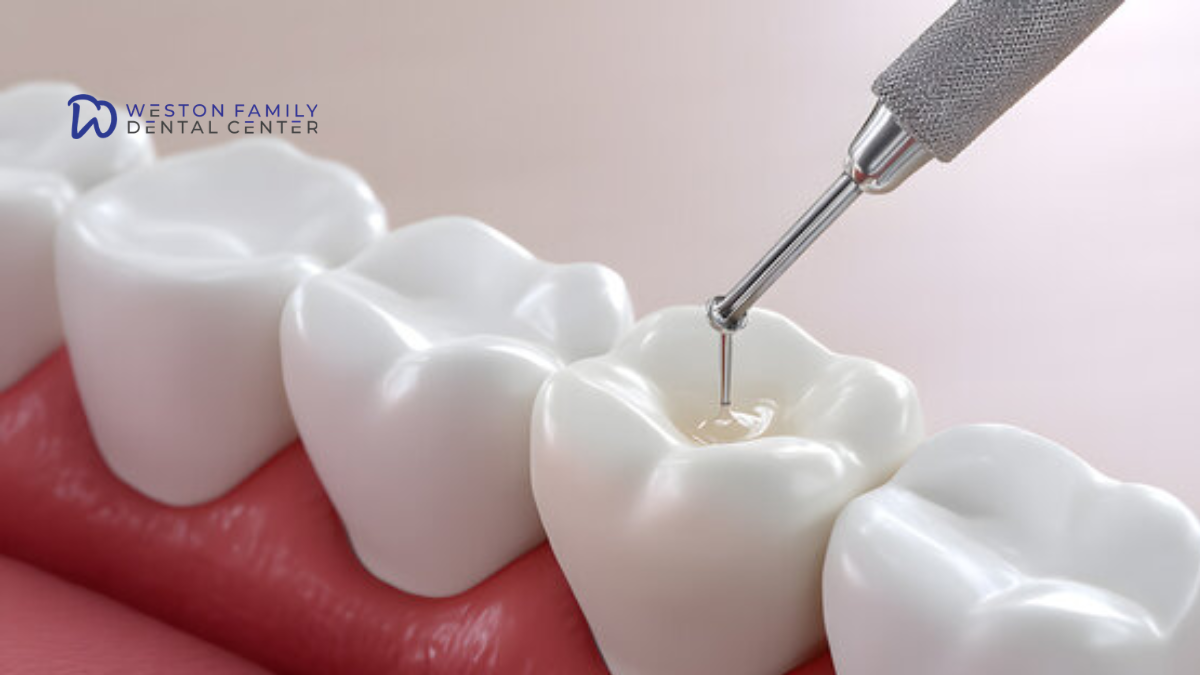
The procedure involves removing the decayed portion of the tooth and filling the space with composite material, which is then shaped and hardened using a special light. This material bonds directly to the tooth, creating a strong and natural-looking restoration.
One of the key advantages of composite fillings is their ability to match the exact shade of your natural teeth, making them almost invisible.
Why Composite Fillings Are Preferred Today
Over the years, composite fillings have become the preferred choice for many patients and dentists. This shift is largely due to their combination of aesthetics and functionality.
Composite fillings are designed to mimic the color and texture of natural teeth, making them ideal for visible areas. They also bond directly to the tooth structure, which provides additional strength and reduces the need for removing healthy tooth material.
Compared to older materials like amalgam, composite fillings offer a more conservative and visually appealing solution while still effectively restoring tooth function.
When Do You Need a Composite Tooth Filling?
A dentist may recommend a composite tooth filling in several situations. The most common reason is to treat cavities caused by tooth decay. However, their use extends beyond just cavity repair.
Composite fillings can also be used to:
- Repair chipped or cracked teeth
- Restore worn-down teeth
- Close small gaps between teeth
- Replace old metal fillings
- Improve the appearance of discolored teeth
Because of their versatility, composite fillings are suitable for both restorative and cosmetic dental treatments.
The Composite Filling Procedure: Step-by-Step
Getting a composite filling is a straightforward and comfortable process, usually completed in a single visit.
The procedure typically begins with an examination of the tooth. The dentist may use X-rays to identify the extent of the decay or damage. Once confirmed, the area around the tooth is numbed to ensure a pain-free experience.
Next, the decayed portion of the tooth is carefully removed, and the area is cleaned to eliminate bacteria. The composite material is then applied in layers, shaped to match the natural contour of the tooth, and hardened using a curing light.
Finally, the filling is polished to ensure a smooth finish and proper bite alignment. This entire process restores both the function and appearance of the tooth.
Benefits of Composite Tooth Fillings
Composite fillings offer several advantages that make them a popular choice among patients.
One of the biggest benefits is their natural appearance. Since they are tooth-colored, they blend seamlessly with surrounding teeth, making them virtually unnoticeable.
Another important advantage is their ability to bond directly to the tooth. This bonding strengthens the tooth structure and reduces the risk of fractures.
Composite fillings also require less removal of healthy tooth material, preserving more of the natural tooth. Additionally, they can be used for both functional repair and cosmetic enhancement, making them highly versatile.
Durability and Lifespan
Composite fillings are designed to be durable and long-lasting. With proper care, they can last for many years.
Their lifespan depends on several factors, including:
- The size and location of the filling
- Daily oral hygiene habits
- Eating habits
- Regular dental check-ups
While they may not always last as long as metal fillings in high-pressure areas, advancements in dental materials have significantly improved their strength and performance.
Composite Fillings vs Traditional Fillings
Traditional fillings, such as amalgam, have been used for decades and are known for their strength. However, they come with certain drawbacks, especially in terms of appearance.
Composite fillings, on the other hand, offer a more modern approach. They are tooth-colored, aesthetically pleasing, and require less removal of healthy tooth structure.
While amalgam fillings may be more durable in some cases, composite fillings provide a better balance between function and appearance, making them the preferred choice for many patients today.
Are Composite Fillings Safe?
Yes, composite tooth fillings are considered safe and effective. They are widely used in modern dentistry and are designed to be compatible with natural tooth structures.
Unlike older metal fillings that may contain mercury, composite fillings are made from materials that are safe and suitable for long-term use. This makes them a reliable option for both children and adults.
Cost of Composite Tooth Filling
The cost of a composite tooth filling can vary depending on several factors, including the size of the cavity, the complexity of the procedure, and the location of the dental clinic.
In areas like Weston, Florida, the average cost can range depending on the case, with estimates showing typical pricing varying based on treatment needs and complexity.
Although composite fillings may cost slightly more than traditional fillings, their aesthetic benefits and ability to preserve natural tooth structure make them a valuable investment.
How to Care for Composite Fillings
Maintaining a composite filling is simple and requires good oral hygiene practices.
To ensure longevity, patients should:
- Brush twice daily with fluoride toothpaste
- Floss regularly to remove plaque buildup
- Avoid biting on hard objects
- Limit sugary foods and drinks
- Visit the dentist for regular check-ups
Proper care not only extends the life of the filling but also prevents further dental issues.
The Role of Composite Fillings in Restorative Dentistry
Composite fillings are an important part of restorative dentistry, which focuses on repairing and restoring damaged teeth.
At Weston Family Dental Center, restorative treatments are designed to improve both oral health and quality of life by repairing damage caused by decay, injury, or wear.
Composite fillings play a key role in this process by restoring tooth structure, preventing further decay, and improving overall dental function.
Why Choose a Professional Dental Clinic
Choosing the right dental clinic is essential for successful treatment. A professional dental team ensures proper diagnosis, precise application, and long-lasting results.
Clinics like Weston Family Dental Center offer comprehensive dental services, including composite fillings, to help patients maintain healthy and confident smiles.
With experienced dentists and modern technology, patients can expect high-quality care tailored to their individual needs.
Conclusion
A composite tooth filling is a modern, effective, and aesthetically pleasing solution for repairing damaged or decayed teeth. It restores function, enhances appearance, and helps maintain long-term oral health.
With benefits like natural appearance, strong bonding, and minimal tooth removal, composite fillings have become the preferred choice in modern dentistry. When performed by experienced professionals, they provide reliable and long-lasting results.
If you are experiencing tooth decay, sensitivity, or damage, seeking timely treatment can prevent further complications. Choosing a trusted dental clinic ensures that your smile remains healthy, strong, and confident for years to come.
FAQs: Composite Tooth Filling Treatment
How long does a composite tooth filling last?
With proper care, a composite tooth filling can last between 5 to 10 years or longer, depending on oral hygiene and usage.
Is a composite tooth filling painful?
The procedure is usually painless because dentists use local anesthesia to numb the area before treatment.
Are composite fillings better than metal fillings?
Composite fillings are preferred for their natural appearance and ability to bond with the tooth, while metal fillings are more noticeable.
Can composite fillings be used for front teeth?
Yes, composite fillings are ideal for front teeth because they match the natural tooth color and provide a seamless look.
How do I take care of a composite tooth filling?
Maintain good oral hygiene by brushing, flossing, avoiding hard foods, and visiting your dentist regularly.
Is composite tooth filling safe?
Yes, composite fillings are safe, mercury-free, and widely used in modern dentistry.
Can a composite filling break or fall out?
While durable, composite fillings can wear down or chip over time if exposed to excessive pressure or poor oral care.