Introduction
When most people think about replacing missing teeth, their primary concern is restoring their smile. While appearance is important, there is a deeper and often overlooked aspect of tooth loss—its impact on jawbone health and facial structure.
Tooth loss does not only create a visible gap; it also affects the underlying bone that supports your face. Over time, this can lead to changes in facial appearance, oral health complications, and reduced functionality.
This is where dental implants Weston provide a powerful and long-term solution. Unlike traditional options, dental implants go beyond aesthetics by actively preserving jawbone health and maintaining the natural structure of the face.
Understanding the Role of Jawbone in Oral Health
The jawbone plays a critical role in supporting teeth and maintaining the shape of your face. It is not a static structure—it requires continuous stimulation to stay strong and healthy.
Every time you chew or bite, your teeth transfer pressure to the jawbone. This stimulation signals the body to maintain bone density and strength.
When teeth are present, the jawbone remains active and stable. However, when a tooth is lost, this natural stimulation stops, leading to gradual bone loss.
What Happens After Tooth Loss
Tooth loss triggers a biological process known as bone resorption. This begins when the jawbone no longer receives stimulation from the missing tooth root.
Within the first few months:
- Bone density starts to decrease
- The affected area begins to shrink
- Surrounding teeth may shift
Over time:
- The jawbone becomes weaker
- Facial structure begins to change
- The risk of further tooth loss increases
This process can continue silently, often without noticeable symptoms in the early stages.
The Hidden Impact on Facial Appearance
One of the most surprising effects of jawbone loss is its impact on facial appearance.
As the bone shrinks, it can cause:
- A sunken or hollow look in the cheeks
- Thinning of the lips
- Wrinkles around the mouth
- A collapsed facial profile
These changes can make a person appear older than they actually are. This is why tooth loss is often associated with premature aging.
Why Traditional Solutions Fall Short
Traditional tooth replacement options, such as dentures and bridges, focus primarily on restoring the visible part of the tooth. While they improve appearance and function to some extent, they do not address the root cause of bone loss.
Dentures rest on the gums and do not provide stimulation to the jawbone. Over time, this can accelerate bone loss and lead to a loose fit.
Bridges rely on adjacent teeth for support but do not interact with the jawbone directly. As a result, the underlying bone continues to deteriorate.
How Dental Implants Work Differently
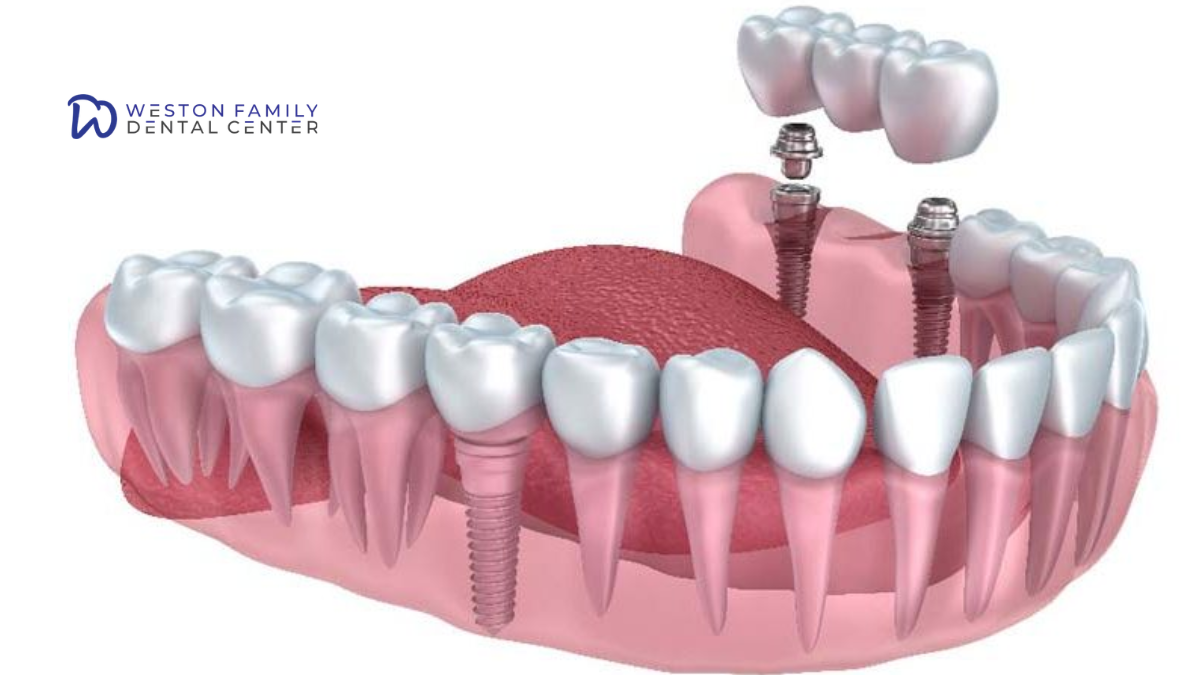
Dental implants are designed to replace both the visible tooth and its root. This is what makes them unique and highly effective.
An implant is placed directly into the jawbone, where it functions like a natural tooth root. Once healed, it provides a stable foundation for a crown or other restoration.
Because of this structure, dental implants Weston help maintain the natural function of the jawbone.
The Science of Bone Preservation
The success of dental implants lies in a process called osseointegration. This is where the implant fuses with the jawbone, creating a strong and permanent bond.
Through this process:
- The implant becomes part of the bone
- Natural chewing forces are restored
- The bone receives regular stimulation
- Bone density is preserved
This biological interaction prevents the bone from shrinking and helps maintain its strength over time.
Long-Term Benefits for Oral Health
Preserving the jawbone has several long-term benefits for overall oral health.
Patients who choose dental implants often experience:
- Better stability and comfort
- Improved chewing efficiency
- Reduced risk of additional tooth loss
- Stronger support for surrounding teeth
By maintaining the structure of the jaw, implants contribute to long-term dental health and functionality.
Supporting Adjacent Teeth
When a tooth is lost, the surrounding teeth may begin to shift into the empty space. This can lead to misalignment and bite issues.
Dental implants help prevent this by:
- Filling the gap effectively
- Maintaining proper spacing
- Supporting the natural alignment of teeth
This ensures that the overall structure of the mouth remains balanced and functional.
Improving Quality of Life
Beyond physical health, dental implants can significantly improve a person’s quality of life.
Patients often report:
- Increased confidence in their smile
- Comfort while eating and speaking
- Freedom from removable appliances
- A more natural feel compared to alternatives
These benefits make implants a preferred choice for long-term tooth replacement.
Who Is a Good Candidate for Dental Implants
Most adults with good overall health can be candidates for dental implants. However, certain factors are important for successful treatment.
These include:
- Adequate jawbone density
- Healthy gums
- Good oral hygiene habits
- Absence of untreated dental issues
In cases where bone loss has already occurred, additional procedures such as bone grafting may be recommended.
The Importance of Early Treatment
Timing plays a crucial role in preserving jawbone health. The longer a tooth remains missing, the more bone loss can occur.
Seeking treatment early:
- Prevents further bone deterioration
- Simplifies the implant process
- Improves long-term outcomes
Early intervention helps maintain both oral health and facial structure.
Maintaining Dental Implants
Proper care is essential to ensure the longevity of dental implants.
Patients should:
- Brush and floss regularly
- Maintain routine dental check-ups
- Avoid habits like smoking
- Follow professional dental advice
With proper care, implants can last for many years, making them a reliable long-term solution.
Why Choose a Professional Dental Clinic
The success of dental implants depends largely on the expertise of the dental team. Proper planning, placement, and aftercare are essential for long-term results.
A professional dental clinic ensures:
- Accurate diagnosis and treatment planning
- Use of advanced technology
- Personalized care for each patient
- Safe and effective procedures
Choosing an experienced provider increases the chances of successful outcomes.
The Future of Tooth Replacement
Dental implants represent a significant advancement in modern dentistry. They address not only the visible effects of tooth loss but also the underlying structural issues.
As technology continues to evolve, implants are becoming more accessible and efficient, making them a preferred choice for patients seeking long-term solutions.
Conclusion
Tooth loss affects more than just your smile—it impacts your jawbone, facial structure, and overall oral health. Ignoring these changes can lead to long-term complications and noticeable changes in appearance.
This is why dental implants Weston are considered one of the most effective solutions available today. By replacing both the tooth and its root, they help preserve bone health, maintain facial structure, and restore confidence.
Investing in dental implants is not just about aesthetics—it is about protecting your oral health and ensuring a better quality of life for years to come.
FAQs : Dental Implants Weston Protect Facial Structure
How do dental implants help protect the jawbone?
Dental implants act like natural tooth roots, providing stimulation to the jawbone and preventing bone loss over time.
Are dental implants a permanent solution for missing teeth?
Yes, dental implants are designed to be a long-term solution and can last many years with proper care.
Is bone loss reversible after tooth loss?
Bone loss can be managed or restored in some cases with procedures like bone grafting, especially before implant placement.
How soon should I consider dental implants after losing a tooth?
It is best to consider treatment as early as possible to prevent bone loss and maintain jaw structure.
Do dental implants look natural?
Yes, dental implants are designed to match the color and shape of natural teeth, making them almost indistinguishable.
Is the dental implant procedure painful?
The procedure is typically performed under anesthesia, making it comfortable, with minimal discomfort during recovery.
Can dental implants improve facial appearance?
Yes, by preserving the jawbone, dental implants help maintain facial structure and prevent a sunken appearance.
How long does the healing process take for implants?
Healing can take a few months as the implant integrates with the jawbone, ensuring a strong and stable foundation.