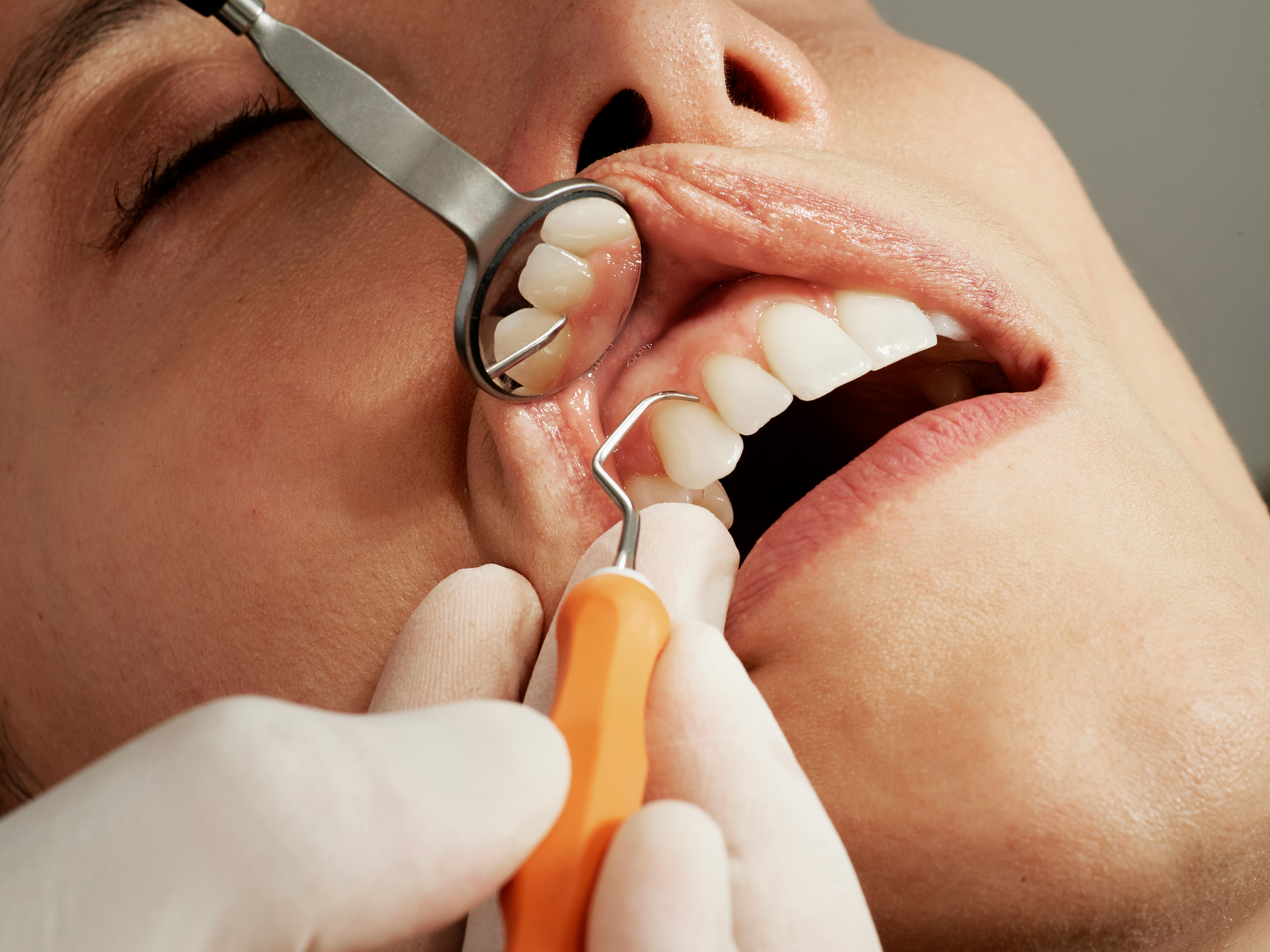
Bleeding gums, persistent bad breath, or receding gumlines can raise an important question for anyone considering tooth replacement: can you still get dental implants if your gums are not healthy? In many cases, implants may remain an option, but the condition must be assessed and managed first. The key issue is not simply whether a tooth is missing. It is whether the gums and supporting bone can provide a healthy foundation for treatment.
If you are researching dental implants with gum disease, the safest next step is a professional evaluation rather than assuming you are either eligible or ineligible. The right plan depends on the severity of the periodontal condition, the amount of supporting bone, your overall health, and how consistently you can maintain oral hygiene after treatment.
Can You Get Dental Implants With Gum Disease?
Sometimes, yes. A history of gum disease does not automatically rule out dental implants. However, active periodontal infection and uncontrolled inflammation can increase complications and threaten the tissues that support an implant. Before placement, a dentist needs to determine whether the disease is active, how much damage has occurred, and whether the condition can be brought under control.
Gum disease ranges from early gingivitis, which affects the gums, to periodontitis, which can damage the ligament and bone supporting teeth. A patient with mild inflammation may need a different approach from someone with deep periodontal pockets, loose teeth, or substantial bone loss. That is why dental implants with gum disease require individual planning rather than a one-size-fits-all answer.
The goal is to establish stable oral health before implant surgery. Your dentist may recommend periodontal treatment, a healing period, and a re-evaluation before deciding whether an implant can be placed safely. Your dental team may also ask about previous gum treatments, how often you attend cleanings, and whether you have noticed bleeding or swelling recently. These details help distinguish a past diagnosis that is currently stable from disease that still needs active care. Do not stop prescribed treatment or change your oral-care routine based only on an online article. If symptoms change while you are waiting for an appointment, contact the dental office for guidance.
Why Gum Health Matters Before Implant Surgery
A dental implant is placed in the jawbone and passes through the gum tissue. The surrounding tissues need to heal and remain healthy to support the restoration over time. When bacteria and inflammation are not controlled, the tissues around natural teeth can deteriorate. Similar inflammatory problems can also affect the tissues around implants.
Untreated periodontitis may be associated with bone loss, and reduced bone volume can make implant placement more complex. The dentist may need to assess whether additional procedures are appropriate, or whether a bridge, removable option, or another treatment would better suit the patient. An implant should not be presented as a guaranteed solution for every missing tooth. When considering dental implants with gum disease, controlling active inflammation and assessing the supporting bone should come before choosing an implant date.
The American Academy of Periodontology explains that suitable implant candidates generally have healthy gum tissues and adequate supporting bone. Read its patient guidance on dental implant procedures for more detail.
Signs You Should Have Your Gums Checked First
Arrange a dental assessment if you notice any of the following signs before planning implant treatment:
- Gums that bleed when brushing or flossing
- Red, swollen, tender, or shiny gum tissue
- Gum recession that makes teeth look longer
- Persistent bad breath or an unpleasant taste
- Teeth that feel loose or have shifted
- Discomfort when chewing
- A history of periodontal treatment or significant bone loss
These symptoms do not confirm a diagnosis on their own. Gum disease can also progress with few obvious symptoms, so a clinical examination matters even when pain is absent. The National Institute of Dental and Craniofacial Research provides an overview of periodontal (gum) disease, symptoms, diagnosis, and treatment.
If you have any of these symptoms, do not delay an assessment just to continue researching dental implants with gum disease online. Early evaluation can clarify which treatment should come first.
What Happens During the Evaluation?
Your dentist will review your medical and dental history and examine the teeth, gums, and bite. Depending on your situation, the evaluation may include:
Gum measurements. A periodontal probe helps measure the spaces around teeth and identify pockets that may indicate inflammation or attachment loss.
Dental imaging. X-rays, and in selected cases three-dimensional imaging, help assess bone levels and the anatomy of the proposed implant site.
Review of risk factors. Smoking or tobacco use, diabetes control, medications, previous periodontal disease, and oral hygiene habits may affect healing or long-term maintenance.
Discussion of alternatives. The dentist should explain the benefits, limitations, costs, and risks of reasonable options, including whether preserving a natural tooth is possible.
The evaluation helps determine whether the gums are stable enough for implant planning, whether periodontal care is needed first, and whether a specialist referral would be useful. A thorough assessment is especially important when dental implants with gum disease are being considered after previous tooth loss from periodontitis.
Can Gum Disease Be Treated Before Getting Implants?
Often, the first step is controlling the disease. Treatment depends on its severity and may include professional cleaning, improved home-care techniques, scaling and root planing (deep cleaning), or periodontal procedures when indicated. Your dentist may also discuss tobacco cessation, diabetes management, and a maintenance schedule tailored to your risk.
After treatment, the gums need time to respond. The dental team can then re-check inflammation, pocket depths, oral hygiene, and the condition of the supporting bone. Implant planning may proceed only when the periodontal condition is considered sufficiently stable. There is no single waiting period that applies to everyone.
For more information about the practice’s care options, see periodontal treatments at Weston Family Dental Center. Treatment recommendations should be based on your examination rather than a general online timetable.
What If Gum Disease Has Caused Bone Loss?
Periodontitis can reduce the amount of bone available to support teeth and may complicate implant placement. Bone loss does not always mean an implant is impossible, but it can affect the options, timing, complexity, and cost of treatment.
In selected cases, a dentist or specialist may discuss bone grafting or other procedures to rebuild or improve the implant site. The suitability of these procedures depends on the location and extent of the defect, general health, and the overall treatment plan. Some patients may be better served by a different tooth-replacement option.
Avoid assuming that a bone graft will automatically make every site suitable. The dentist should explain what imaging shows, what a proposed procedure can realistically achieve, and what uncertainties remain. You can also review the practice’s guide to dental implant costs in Weston, FL when preparing questions about treatment planning and potential costs.
How to Protect Implants After Treatment
A successful placement is only one part of long-term care. Implants still need daily cleaning and routine professional monitoring. Gum inflammation can develop around an implant, and in more advanced cases the supporting bone can be affected. A previous history of periodontal disease makes ongoing maintenance particularly important.
To help protect your oral health:
- Brush twice daily with a soft-bristled toothbrush and fluoride toothpaste.
- Clean between teeth and around implant restorations every day using tools recommended by your dental team.
- Attend follow-up visits and professional cleanings at the interval advised for you.
- Avoid tobacco products and discuss any difficulty controlling diabetes with your healthcare team.
- Contact your dentist if you notice bleeding, swelling, tenderness, pus, or a change in how the implant feels.
Your maintenance plan should reflect your periodontal history and the type of restoration you receive. Consistent follow-up allows the dental team to identify problems early and advise you on the next step.
Are Dental Implants the Only Option?
No. Depending on the condition of your remaining teeth and the location of the gap, alternatives may include a dental bridge, a removable partial denture, or another restorative approach. In some cases, preserving a natural tooth may be preferable to removing it and replacing it with an implant. Each option has different requirements for maintenance, function, appearance, cost, and impact on adjacent teeth.
The best choice depends on a clinical examination, not on one treatment being universally superior. Ask your dentist to compare the expected benefits and limitations of each suitable option, including what could happen if treatment is delayed.
Plan Your Next Step in Weston, Florida
If you have missing teeth and signs or a history of gum disease, start with an evaluation that looks at both periodontal health and tooth-replacement options. At Weston Family Dental Center, Dr. Pratik Patel and the dental team can assess your needs, explain the findings, and discuss an appropriate plan for your oral health.
Patients researching dental implants with gum disease should ask whether active inflammation needs treatment first, whether there is enough supporting bone, what alternatives are available, and what maintenance will be required after treatment. These questions help you make an informed decision without assuming that an implant is automatically right for every case. A careful implant plan should prioritize stable periodontal health, realistic expectations, and long-term maintenance.
To discuss your situation, contact Weston Family Dental Center to request a consultation. Your dentist can recommend next steps after reviewing your symptoms, medical history, and examination findings.