Introduction
Tooth loss can affect many aspects of your life, from your ability to chew properly to your confidence when smiling or speaking. Fortunately, modern dentistry offers effective solutions to restore the missing teeth, with dental implants and dentures being the most widely used options.
If you are exploring options for a dental implant in Weston, it’s natural to compare it with traditional dentures. While both treatments aim to restore function and appearance, they differ significantly in terms of comfort, durability, maintenance, and long-term impact on oral health.
Understanding these differences is essential to making the right choice for your lifestyle and dental needs. This guide provides a detailed comparison to help you decide which option is best suited for you.
Understanding Dental Implants
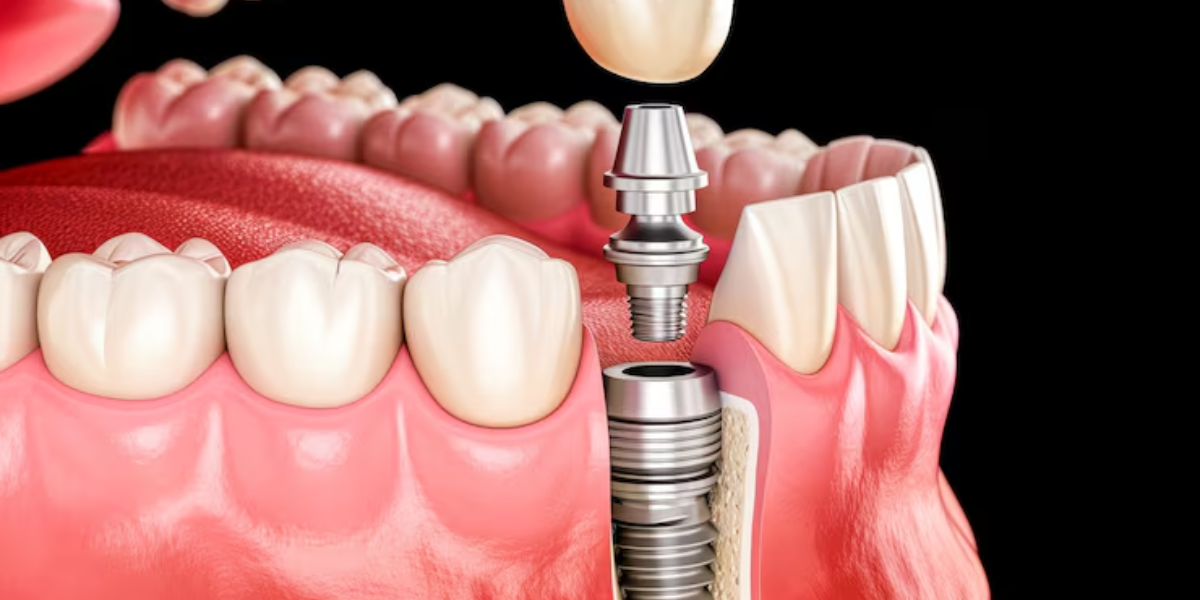
Dental implants are a modern, fixed solution for replacing missing teeth. They are designed to replicate the structure of natural teeth, including the root. A titanium post is surgically placed into the jawbone, where it fuses with the bone over time. This process creates a strong foundation for a crown, bridge, or denture.
One of the main reasons people choose a dental implant in Weston is its ability to provide a natural look and feel. Once the implant is fully integrated, it functions just like a real tooth, allowing you to eat, speak, and smile with confidence.
Understanding Dentures
Dentures are removable appliances that replace missing teeth and surrounding tissues. They can be full dentures, used when all the teeth are missing, or partial dentures, used when some natural teeth remain.
Dentures sit on top of the gums and are usually held in place by suction or dental adhesives. While modern dentures are more advanced and comfortable than before, they still do not offer the same level of stability as implants.
Key Differences Between Dental Implants and Dentures
To determine which option is right for you, it’s important to compare them across several important factors.
1. Appearance and Natural Look
Dental Implants
Implants are custom-designed to match your natural teeth in color, shape, and size. Because they are fixed in place, they provide a seamless and realistic appearance. Most people won’t be able to tell you have an implant.
Dentures
Dentures are also designed to look natural, but they may not achieve the same level of realism. In some cases, they can appear slightly bulky or artificial, especially if they do not fit perfectly.
Verdict
Dental implants offer a more natural and aesthetically pleasing result.
2. Comfort and Fit
Dental Implants
Implants are anchored securely in the jawbone, which means they do not move or shift. After healing, they feel just like natural teeth.
Dentures
Dentures may feel uncomfortable initially and can cause sore spots. Over time, they may loosen as the jawbone changes, requiring adjustments or adhesives.
Verdict
Dental implants provide superior comfort and stability.
3. Chewing Ability and Function
Dental Implants
Implants restore nearly full chewing strength, allowing you to eat a wide variety of foods, including hard and crunchy items.
Dentures
Dentures can limit your diet. Sticky, hard, or chewy foods may be difficult to eat, and there is always a risk of movement while chewing.
Verdict
Dental implants offer better functionality and freedom in eating.
4. Longevity and Durability
Dental Implants
With proper care, implants can last 20 years or more, and often a lifetime. They are designed to be a permanent solution.
Dentures
Dentures typically need replacement every 5 to 10 years due to wear and changes in the jawbone.
Verdict
Dental implants are a more durable and long-term option.
5. Maintenance and Daily Care
Dental Implants
Caring for implants is simple. You brush and floss them just like natural teeth, along with regular dental check-ups.
Dentures
Dentures require daily removal, cleaning, and soaking. They must be handled carefully to avoid damage.
Verdict
Dental implants are easier and more convenient to maintain.
6. Impact on Jawbone Health
Dental Implants
Implants stimulate the jawbone, preventing bone loss and maintaining facial structure.
Dentures
Dentures do not stimulate the bone, which can lead to gradual bone loss and a sunken facial appearance over time.
Verdict
Dental implants are significantly better for long-term oral health.
7. Cost Comparison
Dental Implants
Implants usually have a higher upfront cost due to the surgical procedure and materials used. However, their long lifespan often makes them more cost-effective over time.
Dentures
Dentures are more affordable initially, but ongoing costs for adjustments, replacements, and adhesives can add up.
Verdict
Dentures are budget-friendly short-term, while implants provide better long-term value.
Who Is a Good Candidate for Dental Implants?
You may be a suitable candidate for dental implants if you:
- Have one or more missing teeth
- Have healthy gums
- Have sufficient jawbone density
- Maintain good oral hygiene
Patients who choose a dental implant in Weston often prefer a permanent and hassle-free solution that closely mimics natural teeth.
Who Should Consider Dentures?
Dentures may be a better option if you:
- Prefer a non-surgical treatment
- Have significant bone loss
- Are looking for a lower upfront cost
- Need a quicker solution
Dentures remain a practical choice for many individuals, particularly those who are not candidates for implant surgery.
Implant-Supported Dentures: A Hybrid Option
For patients who want the benefits of both options, implant-supported dentures offer an excellent alternative.
Benefits Include:
- Increased stability compared to traditional dentures
- Improved chewing ability
- Reduced bone loss
- Better comfort and fit
This solution combines the affordability of dentures with the stability of implants, making it a popular choice for many patients.
Lifestyle and Confidence Factors
Your lifestyle plays an important role in choosing the right tooth replacement option.
Dental implants are ideal for individuals who want a permanent, worry-free solution. They allow you to live without concerns about slipping or removing your teeth.
Dentures, on the other hand, may require adjustments and can sometimes affect confidence, especially in social situations where movement or discomfort may occur.
Long-Term Oral Health Considerations
Choosing the right option is not just about immediate results but also long-term oral health.
Dental implants help:
- Maintain jawbone density
- Prevent shifting of surrounding teeth
- Support proper bite alignment
Dentures, while effective, do not provide these long-term health benefits and may require ongoing adjustments as the mouth changes.
Making the Right Choice
There is no universal answer when it comes to choosing between dental implants and dentures. The right choice depends on your individual needs, preferences, and dental condition.
Factors to consider include:
- Budget
- Overall health
- Bone structure
- Personal comfort and expectations
Consulting with a qualified dental professional will help you evaluate your options and choose the treatment that best fits your lifestyle.
Conclusion: Dental Implant in Weston vs Dentures Making the Right Choice
Both dental implants and dentures offer effective ways to replace missing teeth, but they serve different purposes and lifestyles. While dentures provide a quick and affordable solution, dental implants offer unmatched stability, durability, and long-term benefits.
If you are considering a dental implant in Weston, understanding how it compares to dentures can help you make an informed decision. Investing in the right tooth replacement option not only restores your smile but also improves your overall quality of life.
A healthy, confident smile is invaluable and choosing the right solution is the first step toward achieving it.
FAQs: Dental Implant in Weston vs Dentures
What is better: a dental implant or dentures?
Both options have their advantages, but dental implants are generally better for long-term results. They are more stable, durable, and feel like natural teeth. Dentures are more affordable and do not require surgery, making them suitable for certain patients.
Are dental implants more comfortable than dentures?
Yes, dental implants are typically more comfortable because they are fixed in place and do not move. Dentures can sometimes feel bulky or loose, especially over time.
Can I switch from dentures to a dental implant later?
Yes, many patients switch from dentures to dental implants. However, your dentist will need to check your jawbone health, and additional procedures may be required if bone loss has occurred.
Are dental implants safe?
Dental implants are a safe and well-established treatment with a high success rate. Choosing an experienced dentist and following proper aftercare helps ensure successful results.
Do dentures affect eating and speaking?
Dentures can sometimes make it harder to eat certain foods and may affect speech initially. Dental implants provide a more natural feel and improve both chewing and speaking ability.
Do dental implants require special care?
No, dental implants do not require special care. Regular brushing, flossing, and dental check-ups are enough to keep them in good condition.